Blog

All Personal Injury Divorce Attorney Criminal Defense Attorney Car Accident Motorcycle Accidents

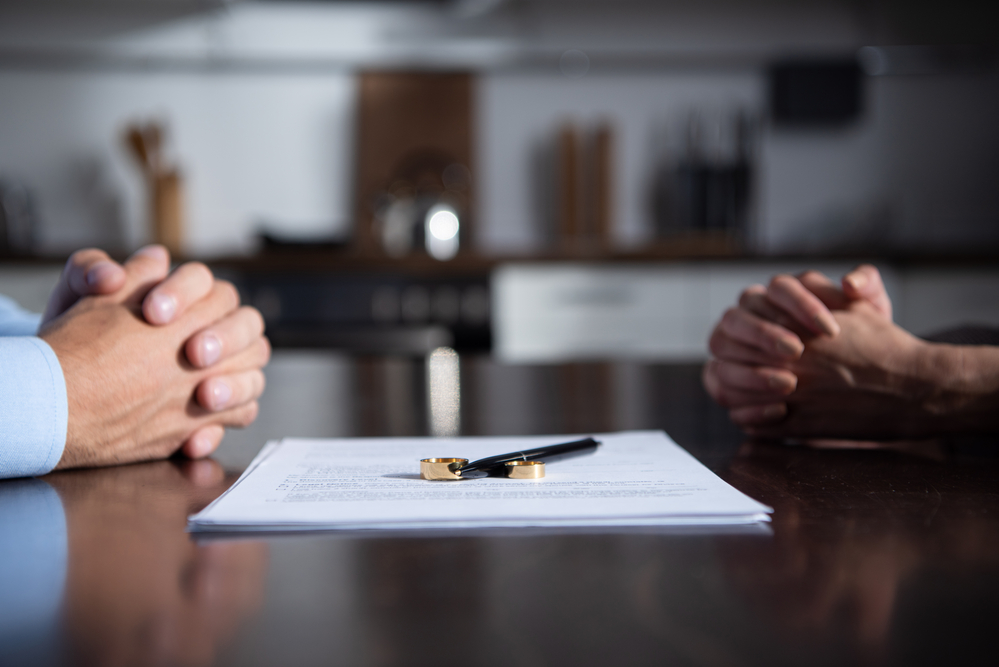
Ask a Family Law Attorney: What Is the Role of Mediation in Divorce?

While going to court is often the traditional image we have of dissolving a marriage, mediation is an alternative route that's becoming increasingly popular in Dyer, IN and throughout the country. Let's explore what mediation means in the context of divorce and what you might expect from the process from the perspective of an experienced family law attorney. From Your Dyer, IN Family Law Attorney: All About Mediation Mediation is a structured process in which a neutral third party helps divorcing spouses to come together and agree on the details of their divorce. Unlike a judge, the mediator doesn't make any decisions for you. Instead, their role is to guide you and your spouse towards reaching a mutually agreeable settlement on the various issues involved in a divorce, such as child custody, child support, the division of marital assets and debts, and spousal support (sometimes called alimony). more Why Consider Mediation? Control In mediation, you and your spouse retain greater control over the outcome of your divorce. Rather than having a judge impose decisions, you work collaboratively to create solutions that are tailored to your family's unique needs. Cost-Effectiveness Mediation is generally less expensive than a litigated divorce. Legal fees tend to be lower, and the process is usually faster, which saves money and emotional strain. Reduced Conflict Mediation focuses on finding common ground and compromises, potentially minimizing the hostility that often fuels courtroom battles. This is especially beneficial if you have children, as it can help you establish a more amicable co-parenting relationship going forward. Confidentiality Mediation discussions are confidential, whereas court proceedings are usually a matter of public record. Do I Have to Do Mediation? Indiana courts often encourage or even require divorcing couples to attempt mediation, especially when there are disputes about child custody or parenting time. However, mediation is ultimately voluntary, and if one spouse is absolutely unwilling to negotiate, trying to force the issue is unlikely to be productive. Mediation isn't always the right fit, either. In situations where there's a history of domestic violence or extreme power imbalances, mediation might not be productive or safe. How Does It Work? While every mediation is different, they generally follow a similar format. Your attorney will be present to offer advice and support and keep things on track. Each spouse will usually have an opportunity to make an opening statement, outlining their priorities and concerns. The mediator will then work with you to identify areas of agreement and disagreement and help facilitate constructive discussions about potential solutions. The mediator might meet with you and your spouse together or sometimes you'll be in separate rooms with the mediator going back and forth. What If We Can't Agree? It's natural to have some disagreements even in mediation. The mediator's job is to help you move past those sticking points. If you are unable to reach a full resolution, you might still make significant progress and narrow down the issues that will be necessary to decide in court so that things will still go more quickly. Your Attorney's Role While mediation offers many benefits, having an experienced Indiana family law attorney on your side is still very important. They keep you focused on your legal rights even as you negotiate, provide guidance during the mediation sessions, review any draft agreements, and protect your best interests. For experienced help with divorce and ​mediation, contact us at Tanzillo Stassin & Babcock, P.C. in Dyer, IN today.

What to Do After a Motorcycle Accident in Dyer, IN

Motorcycle accidents can be traumatic and overwhelming experiences. In the aftermath of such an incident, it's crucial to know the necessary steps to protect yourself legally and ensure your rights are upheld. If you find yourself involved in a motorcycle accident, seeking guidance from a dedicated motorcycle accident lawyer is paramount. Ensuring Safety First In the immediate aftermath of a motorcycle accident, prioritizing safety is paramount. Move yourself and others involved to a safe location if possible and seek medical attention for any injuries. Contact emergency services to provide medical assistance and document the accident scene. more Gathering Essential Information Once safety concerns have been addressed, it's crucial to gather pertinent information about the accident. Obtain the contact and insurance information of all parties involved, gather witness statements, take photographs of the accident scene, and document any visible injuries or property damage. These details are invaluable for insurance claims and legal proceedings. Reporting to Your Insurance Company After documenting the accident scene, promptly report the incident to your insurance company. Provide them with the relevant details of the accident while refraining from admitting fault or making statements that could be used against you later. Seeking Legal Counsel Seeking guidance from a skilled motorcycle accident lawyer is highly recommended after a motorcycle accident. An experienced attorney can provide invaluable assistance throughout the claims process, negotiate with insurance companies, and ensure your rights are protected. Exploring Legal Options If the accident resulted in significant injuries or property damage, pursuing legal action may be necessary to seek compensation for your losses. A trusted motorcycle accident lawyer can assess your case's specifics and advise you on the best course of action. Contact Tanzillo Stassin & Babcock P.C. Navigating the aftermath of a motorcycle accident can be daunting, but you don't have to face it alone. If you've been involved in a motorcycle accident in Indiana, don't hesitate to reach out to Tanzillo Stassin & Babcock P.C. for experienced legal representation. With a proven track record of success, our skilled attorneys are here to advocate for your rights and help you secure the compensation you deserve. Contact us today for a consultation.

Do I Need a Divorce Lawyer If We Agree on Everything?

Divorce doesn't necessarily have to be a contentious time, especially if you are splitting amicably with your spouse. When both people have committed to ending the marriage without a fight, you may find yourself wondering, "Do I need a divorce lawyer if we agree on everything?" Explore the benefits of hiring an experienced family law attorney in Dyer, IN to help you navigate the divorce process, even under friendly circumstances. 1. Professional Legal Knowledge A divorce attorney has the first-hand experience you need to navigate the court system smoothly. They can ensure that you file the appropriate documents in court to legally end your marriage. They'll also explain your responsibilities and rights during the divorce process. These steps can help you avoid possible mistakes that would cost significant time and money to correct later. more A lawyer's specialized knowledge allows you to develop a comprehensive divorce agreement. Most couples must align on a number of issues, including division of marital property and debt, tax consequences associated with divorce, spousal support, child custody, and child support. Even in the process of a collaborative divorce, a separate attorney represents each party and encourages clear, respectful communications about these items. 2. Objective Advice Divorce can be a very emotional time, and it's only natural to make decisions based on your feelings. However, it's also important to protect your best interests for the future. You must be able to support yourself financially after the divorce. If you have children together, you'll also need to make sure your arrangement protects their well-being. Your lawyer can advise you on whether you're making a fair agreement for both parties, especially if you worry that your emotions may be clouding your decisions. They'll review the draft of your divorce agreement and identify possible concerns that could come up down the road. If necessary, they can guide communication and negotiation with your spouse to reach sustainable terms. 3. Enforceable Divorce Agreement Even if your lawyer doesn't recommend changes to the content of your divorce agreement, they may update the document so it complies with state laws. If the contract you develop with your spouse isn't legally enforceable, the court won't grant a divorce, and you'll need to go back to the negotiation stage. If you make an agreement without court approval, you won't have legal recourse if a future dispute arises with your former spouse. 4. Reduced Stress Having a divorce attorney advocate for your interests can provide peace of mind at an uncertain time. You won't have to worry about paperwork or court deadlines because your lawyer will manage your case and address any problems and questions that come up during the legal process. ​ Consulting with a divorce attorney is a smart step, even when you agree with your spouse on the pertinent issues. Reach out to Tanzillo, Stassin & Babcock P.C. in Dyer, IN for advice from an experienced family lawyer ready to navigate the divorce process with you in Indiana or Illinois.

How to Navigate the Divorce Process in Indiana

Even if you know you want to end your marriage, it can be difficult to move forward with a legal divorce. Navigating this process can be complicated and costly, especially if you're not familiar with the Indiana court system and the state laws about divorce. Finding a divorce attorney you can trust in Dyer, IN allows you to take the next steps with confidence. Navigate Your Divorce With an Experienced Divorce Attorney in Dyer, IN Research State Divorce Laws Before negotiating with your spouse, it's important to understand how Indiana handles common issues of divorce. The state requires fair division of marital property and debt, which includes all assets and liabilities either person acquired during the marriage. Either spouse can request financial maintenance for up to three years, but they must prove they can't support themselves because of a physical or mental disability (or because they care for a child with this type of health issue). If you share children with your spouse, you must come to a custody agreement that supports the child's best interests. Both parents must also provide a fair amount of financial support. more Determine the Right Type of Divorce You can file for either a fault or no-fault divorce in Indiana. A no-fault divorce means that the relationship is irretrievably broken but neither spouse blames the other for the end of the marriage. The state offers fault-based divorce only if one spouse has a felony conviction, impotence, or incurable mental illness for two or more years. An uncontested divorce is available if you agree with your spouse about all outstanding issues, including property division, alimony, and child custody and support if applicable. In this case, you submit your agreement to the court for review and approval. When you don't agree, you must file for a contested divorce. The court will hold a hearing where each spouse will present their case, then make a final decision about the contentious items. File the Divorce Petition When you're ready to start the legal divorce process, you or your spouse must submit a Petition for Dissolution of Marriage to the Clerk's Office in your county. You have to file in the county where either partner has lived for at least three months. The state doesn't offer a standard form but requires typed, letter-sized white paper. Along with the petition, you need to submit a Domestic Relations Summons and a Domestic Relations Appearance Form. Indiana has a 60-day waiting period starting when you file for divorce. After 60 days, the Clerk's office will review the petition. At that time, you or your lawyer can reach out to the office to schedule your divorce hearing if necessary. For an uncontested divorce, the court can issue the divorce decree immediately after the waiting period ends. You have a lot to think about during the divorce process, but you don't have to handle it alone. Contact the team of experienced divorce lawyers at Tanzillo Stassin & Babcock in Dyer, IN today to learn more about your options at the end of a marriage.

3 Reasons You Shouldn’t Just Accept a Misdemeanor Conviction

The words “misdemeanor conviction” may not sound as daunting as “felony,” but don’t be fooled by the terminology. In Indiana, a misdemeanor conviction carries consequences that can significantly impact your life. Tanzillo Stassin & Babcock, P.C., aims to shed light on the implications of a misdemeanor conviction in Indiana and why it’s essential to fight against it with the help of an experienced legal representative. If you were charged with a misdemeanor, contact us to set up a consultation where you can receive case-specific advice. Misdemeanor Convictions in Indiana: A Closer Look In the state of Indiana, misdemeanors are crimes punishable by a maximum sentence of one year in jail. These offenses fall into three categories: Class A, B, and C, with Class A being the most serious. Consequences of a misdemeanor conviction go beyond immediate penalties like fines, probation, community service, or jail time. They leave a lasting mark on your record, which can affect various aspects of your life, including employment prospects and personal relationships. The Case Against Accepting a Misdemeanor Conviction 1. Safeguarding Your Employment Opportunities Your professional life can be profoundly impacted by a misdemeanor conviction. Many employers perform background checks, and a criminal record could make them think twice about hiring you. Even if you’re already employed, a misdemeanor conviction might hinder your advancement within the company. Therefore, fighting against a misdemeanor charge is crucial to protect your career prospects. 2. Preserving Personal Relationships A misdemeanor conviction can also alter the way people perceive you. It may strain relationships with family members, friends, and colleagues who might view you differently knowing you have a criminal record. Additionally, a conviction could influence child custody agreements and even affect your future romantic relationships. 3. Dodging Long-Term Legal Consequences Accepting a misdemeanor conviction can lead to unforeseen legal repercussions. For instance, it could restrict your ability to own a firearm, make it difficult to qualify for certain types of housing, or prevent you from obtaining professional licenses. By contesting a misdemeanor charge, you can potentially avoid these long-lasting legal pitfalls. The Importance of Legal Representation Facing a misdemeanor charge can feel overwhelming, but remember, you don’t have to face it alone. A seasoned criminal defense attorney is equipped to protect your rights and guide your case toward the best possible outcome. They can gather necessary evidence, navigate the complexities of plea bargaining, and negotiate for a lesser charge or penalty. Our law firm consists of a team of knowledgeable attorneys with experience handling a wide range of criminal matters, from minor traffic offenses to serious misdemeanors. We understand the emotional toll a legal battle can take and commit to offering compassionate services to each client. Taking Action Today The ripple effects of a misdemeanor conviction extend far beyond the courtroom, potentially influencing many aspects of your life. Don’t let a momentary lapse dictate your future. If you’re facing a misdemeanor charge in Indiana, it’s imperative to seek legal help promptly. Our team stands ready to fight for your rights and work tirelessly towards securing the best possible results in your case. We invite you to contact us today to schedule a consultation and start building a robust defense strategy. Remember, your future is worth fighting for, and we’re here to stand beside you every step of the way. Written by Tanzillo Stassin & Babcock

FBI Raids Crown Point Home of Two Individuals Posing as Fake Psych Doctors

FIRM UPDATE In a recent development reported by both the Chicago Tribune and Region News Source, a case involving two individuals posing as fake doctors in the suburbs has come to light. These impostors were exposed for their deceptive practices, leading to an FBI raid on their residence in Crown Point. The articles delve into the details of the ongoing investigation and the potential legal repercussions facing the individuals who impersonated medical professionals, shedding light on the broader implications of their fraudulent activities. If you believed Christine Reese Lang was a licensed psychologist and suffered harm as a result, contact Tanzillo, Stassin, and Babcock at (219) 865-6262.  Free consultations are available. Chicago Tribune Region News Source

Understanding DUI Arrests

CRIMINAL DEFENSE When you’re arrested for drunk driving in Indiana, you enter a legal process that could lead you to fines, driver’s license suspension and even time in prison. Operating a vehicle while intoxicated (OWI), also called driving under the influence (DUI), is a significant criminal offense. Even though you may potentially lose your driving privileges and may be taken to prison, you should work with a criminal defense lawyer to strategize your defense to protect your rights. Tanzillo Stassin & Babcock offer the support you need during this critical time. We cover the possible steps after a DUI arrest in Indiana. For specific advice regarding your case, call us for a consultation. Release From Jail Law enforcement will usually release a person accused of DUI within a day after the arrest, depending on that individual’s criminal history. You might need to post bail for your release. Furthermore, the severity surrounding the events of the DUI affects how much time you are held and the amount of bail. For instance, if you were accused of causing an accident that hurt someone, this will be treated more seriously by the criminal justice system than a person who was arrested at a routine traffic stop. You need experienced criminal defense representation to help you reduce your bond or win release through your recognizance. Initial Hearing The initial hearing is typically held prior to the defendant’s release from jail. The judge will inform you of your constitutional rights and the charges you face. The judge may also review a request for bail reductions or decide if you are eligible for a pre-trial release program. Your attorneys will then represent you in the hearing, where law enforcement will provide evidence against you. Overview of OWI Penalties Indiana law severely punishes those convicted of drunk driving. Depending on the exact circumstances involving the incident, such as a high blood alcohol concentration (BAC) or having previous DUI records, you might be charged with a misdemeanor or a felony. There are certain aggravating factors that may further increase the severity of the charges: Prior OWI convictions Your passenger was under 18 years old Someone was physically injured due to your driving The accident you caused killed someone Discovery The discovery phase takes place before the next court date. Law enforcement and the prosecutor will disclose evidence against you, which may include chemical test results, eyewitness reports and dashcam video. Your attorney will help you proceed, whether by fighting the charges or through negotiation. Pretrial Conference Pretrial conferences allow prosecution and defense attorneys to review the evidence and determine how they will proceed. There may be a single pretrial conference or several. The goal of your attorney is to secure reduced charges or have them dropped altogether before a trial ever happens. Discuss Your Case With Our Dyer DUI Lawyers If you’re in need of a knowledgeable DUI lawyer who can represent your best interests, call Tanzillo Stassin & Babcock for a consultation. We can review your case and help you decide what steps would benefit your case. Written by Tanzillo Stassin & Babcock

How Long Will I Go to Jail for Violating Probation?

CRIMINAL DEFENSE Violations of probation in Indiana can have serious consequences, ranging from jail time to fines and restitution. Understanding the length of a probation violation sentence is important for those facing such charges in Indiana. An experienced Dyer criminal defense attorney can provide guidance and legal representation to those facing probation violations in Indiana. If you’re facing such charges, contact our attorneys at Tanzillo Stassin & Babcock for a consultation. Overview of Probation Violations in Indiana Probation is a court-ordered sanction in which offenders are released back into the community instead of being incarcerated. While probation can be beneficial, it comes with strict conditions that must be met, or else they risk violating their probation. Under Indiana law, those who do not abide by their probationary terms may face serious consequences, including additional jail time and hefty fines. In Indiana, probation violations are classified as either technical or substantive. Technical violations are minor infractions, such as missing an appointment with a probation officer or failing a drug test. Substantive violations are more serious and involve committing a new crime, failing to pay fines, or leaving the state without permission. The severity of the underlying offense and the criminal history of the offender will play a role in determining the length of the sentence. Potential Consequences for Violating Probation in Indiana In Indiana, committing a violation of your probation can have serious consequences. Depending on the severity of the original offense and the offender’s criminal history, they may face additional jail time, fines or restitution payments. Furthermore, no contact orders or revocation of probation may occur, as well as mandated counseling or rehabilitation programs. It is important to bear in mind that there will be no protection from re-sentencing for the original crime if someone violates their probation terms. The possible repercussions for those who violate their probation are often directly related to how serious or intentional the act was. For instance, minor infractions, such as missing an appointment with a probation officer, could result in warnings. More severe violations, like leaving the state without permission or refusing to pay fines, may result in harsher punishments, including time in jail or substantial financial penalties. Factors that determine the length of a probation violation sentence in Indiana Several factors influence the length of the sentence. The severity of the underlying offense, nature of the violation, criminal history and amount of time left on their probation sentence are all taken into consideration. Additionally, aggravating or mitigating factors that existed at the time of the offense may also affect sentencing. It is crucial for anyone charged with violating their probation to consult an experienced lawyer as soon as possible in order to understand all possible outcomes and take appropriate action. Contact an Experienced Attorney to Discuss Your Probation Violation Charge If you were charged with a probation violation, seek the help of an experienced Dyer criminal defense attorney immediately. Our team of attorneys at Tanzillo Stassin & Babcock is committed to helping our clients pursue the outcome they need. Contact us today for a consultation. Written by Tanzillo Stassin & Babcock

Illegal Search and Seizure in Indiana

CRIMINAL DEFENSE In many criminal cases, the evidence collected from a search and seizure is the strongest against you. When the police search your vehicle, property or person, they must operate according to the Fourth Amendment of the United States Constitution and Article 1, Section 11 of the Indiana Constitution. These guidelines prohibit unlawful searches and seizures by government entities. The government’s limitations are often important in criminal cases since prosecutors cannot use evidence that was gained by violating a defendant’s constitutional rights. If you underwent a search and seizure in Indiana, you should contact a criminal defense attorney right away. Tanzillo Stassin & Babcock can help you review your rights: call us to schedule a consultation where you can discuss the specifics of your situation. When Are the Police Legally Allowed to Search Me? Authorities are allowed to search you if they have reasonable suspicion that you are breaking the law. These Terry stops may involve a pat down of your outer garments if the officer has a reason to believe you are armed and putting others at risk. If an officer has a reasonable suspicion that you committed a crime, you may be arrested. In an arrest, the police can search for weapons and other evidence on your person or in the area you have immediate control over. For instance, if you are arrested at home, the police can search the room you were in at the time of the incident, but they cannot search the entire house. You have the right to end a police encounter if you are not being arrested. Unless the officer arrests you, he or she cannot detain you for longer than several minutes. Remain claim, but speak assertively to exercise your rights. When Can the Police Search My Vehicle? Similar to a Terry stop, law enforcement can only pull over a driver if there’s reasonable suspicion that they broke the law. An officer can legally stop you if they witness you disobeying a stop light, speeding or driving recklessly (which may indicate intoxication). An officer can only detain you on the roadside for a short duration. You are not obligated to answer any questions he or she asks you, and you can exercise your right to remain silent. Officers need probable cause to search your car or arrest you, and if none exists, they are required to let you leave. Can Police Search My Property Without a Warrant? There are three situations that permit law enforcement entry to your home: You provide consent They have a warrant There is an emergency Extensive home searches are only allowed when the court has provided law enforcement with a search warrant against you. This differs from an arrest warrant, which lets police enter and arrest you, but without searching your property. An arrest warrant only lets police search the immediate surroundings to see if you attempted to hide or destroy evidence. If you give the police consent to enter, or if there is an emergency situation, they can only seize items that are plainly visible. They cannot search the home for evidence against you. Talk to a Criminal Defense Attorney If you were subject to a search and seizure in Indiana, you need to know your rights. Talk to our criminal defense lawyers at Tanzillo Stassin & Babcock to determine the next steps. Written by Tanzillo Stassin & Babcock

What to Do After a Bicycle Accident in NWI?

BICYCLE ACCIDENTS According to the National Highway Traffic Safety Administration, there are more than 840,000 bicycle accidents each year in the United States. Of those, about half result in injuries to the bicyclist. If you have been involved in a bicycle accident, it is important to understand your rights as a bicyclist and what you need to do to protect those rights. Below are some key points to know for anyone that rides a bicycle or has been involved in a bicycle accident in northwest Indiana. Rights and Responsibilities of Bicyclists As a bicyclist, you have the same rights and responsibilities on the road as motorists. That means you must obey all traffic laws, including stop signs, traffic signals, and yield signs. You should also ride with traffic, not against it. In Indiana, bicycles are considered vehicles and are subject to the same rules of the road as cars and trucks. Always make sure to signal your intent to other drivers on the road. Not only is this lawful, but it increases safety when other drivers know what to expect from your actions. Do bikes have the right-of-way in Indiana? Bicyclists do not have automatic right-of-way when they encounter motor vehicles. However, state law does require motorists to exercise due care when operating their vehicles around bicycles. That means drivers must use caution and avoid reckless or dangerous behavior that could result in an accident. What to Do After a Bicycle Accident With a Motor Vehicle If you are involved in a bicycle accident with a motor vehicle, the first thing you should do is seek medical attention for any injuries you may have sustained. Once you have been seen by a medical professional, you should contact an experienced personal injury attorney who can protect your rights and help you recover the compensation you deserve. How should I document my bicycle accident? It is also important to document the accident as much as possible. If there are witnesses, get their names and contact information. Take pictures of the scene of the accident, including any damage to your bicycle or injuries you may have sustained. Keep all medical records and bills related to your injuries. The more documentation you have, the stronger your case will be. Understand Your Rights Before Talking to an Insurance Company Finally, before talking to an insurance company, whether it is your own insurance company or the at-fault driver’s insurance company, you should speak with an attorney. Insurance companies are notoriously difficult to deal with and often try to lowball victims of accidents. An experienced attorney will level the playing field and make sure you are treated fairly by the insurance companies involved. If you have been involved in a bicycle accident, it is important that you understand your rights as a bicyclist and take steps to protect those rights. You should seek medical attention for any injuries sustained, document the accident as much as possible, and contact an experienced personal injury attorney who can help you recover compensation for your injuries. Reach out to the experienced attorneys at Tanzillo Stassin & Babcock today for a consultation. Written by Tanzillo Stassin & Babcock

Should I Hire an Attorney for a Misdemeanor?

CRIMINAL DEFENSE Misdemeanor charges need to be taken seriously. Even though this criminal classification is less than a felony, that doesn’t mean defendants should underestimate the potential consequences. You may face expensive fines and even time in jail if you don’t adequately prepare for the process ahead. Don’t go in alone: hiring a knowledgeable criminal defense attorney is key to protecting your future. Tanzillo Stassin & Babcock offers the guidance you need. We explore reasons for hiring an attorney to fight your misdemeanor charges. Visit our team at a consultation for advice regarding your case. Understanding Your Right to Self-Representation The Sixth Amendment grants defendants the right to legal representation. The same clause says that defendants also have the right to self-representation, which must be approved by the judge. You will be read the rights that you are waiving by representing yourself. Failing to demonstrate your ability to self-represent means the court will ask you to seek the assistance of an attorney or public defender. Hiring a Criminal Defense Attorney If you’re unable to prove that you can adequately self-represent and you are appointed a public defender, you won’t have a voice in this decision. Protect your best interests by hiring a criminal defense lawyer once you are charged with a misdemeanor. Hiring a lawyer lets you focus on building your defense rather than stressing over the processes involved in self-representation. It’s true a misdemeanor isn’t as severe as a felony, but that doesn’t mean its potential impacts are insignificant or easy to handle. In Indiana, misdemeanor charges are classified differently depending on the severity of the alleged crime. Each classification results in varying fines, prison time and probationary periods: Class C Misdemeanor. Charges that fall in this classification are punishable by up to 60 days in prison and a fine of up to $500. Class B Misdemeanor. A conviction for a Class B misdemeanor can lead to up to 180 days in jail and a fine of up to $1,000. Class A Misdemeanor. As the most severe misdemeanor charge, a conviction could result in a year in jail and a fine of up to $5,000. Not only does a misdemeanor lead to expensive fees and jail time, but they leave a lasting impact on the defendant’s life. Having a criminal record can make it difficult to access employment or education, among many other long-term punishments. Hiring an attorney can mean all the difference in safeguarding your future. When you choose an experienced attorney to represent you in your criminal case, you are investing in a legal advocate who can ensure you fully understand the situation you’re facing. We help you learn about the criminal justice process and what to expect as we defend your rights. You will feel confident knowing we have the experience needed to build a solid defense in your favor. Contact Our Firm Today Tanzillo Stassin & Babcock is prepared to handle your misdemeanor case. Don’t try to handle your criminal case alone: work alongside our legal team today. Written by Tanzillo Stassin & Babcock

How to Fight a DUI Case in Indiana

CRIMINAL DEFENSE Facing an OWI (Operating While Intoxicated) charge in Indiana is a serious legal matter with potentially life-altering consequences. Whether you’re a first-time offender or have prior charges, the impact of a conviction can include steep fines, license suspension, increased insurance costs, and even jail time. For those who hold a Commercial Driver’s License (CDL), the stakes are even higher—your career may be at risk. This guide will walk you through practical legal strategies for fighting an OWI in Indiana, including how to challenge the evidence, protect your CDL, and leverage experienced legal counsel to pursue the best possible outcome. If you’re asking how to fight a DUI in Indiana or wondering whether you can get a CDL with a DUI in Indiana, this comprehensive overview is designed to answer your questions. Contact our Indiana OWI defense attorneys today to schedule a confidential consultation and start building your case. Challenging the Legality of the Arrest The first step in developing a strong DUI or OWI defense in Indiana often involves examining the legality of the initial traffic stop and subsequent arrest. Law enforcement officers must adhere to specific constitutional and procedural requirements when pulling someone over, conducting sobriety tests, or placing them under arrest. If any of these procedures are improperly handled, the evidence obtained during the stop may be excluded from court. For example, a police officer must have reasonable suspicion to initiate a traffic stop. Without it, the stop may be considered unlawful. Additionally, if the officer failed to read your Miranda Rights or coerced a statement, that evidence could be challenged. An experienced defense attorney will scrutinize every step of the arrest process to determine if your rights were violated. Disputing the Evidence Against You Much of the prosecution’s case in an OWI charge hinges on chemical testing results, including breathalyzer and blood alcohol tests. However, these tests are not infallible. Several factors can affect their reliability: Improper calibration of breathalyzer devices Operator error during administration Contamination or mishandling of blood samples Medical conditions (e.g., diabetes, acid reflux) that mimic intoxication symptoms By carefully reviewing lab procedures, equipment maintenance records, and video footage, your attorney can challenge the accuracy and admissibility of the evidence. Cross-examining the arresting officer or technician may also reveal procedural missteps that cast doubt on the prosecution's case. Understanding the Impact on CDL Holders If you are a commercial driver, you may be wondering: can you get a CDL with a DUI in Indiana? While it is possible, a DUI or OWI conviction can result in a disqualification of your Commercial Driver’s License for a minimum of one year—even for a first offense. If you were operating a commercial vehicle at the time, the penalties are even more severe. Because a CDL is often a person’s livelihood, it’s essential to fight the charge aggressively. An attorney can help you explore all available defenses or negotiate a reduced charge to protect your driving privileges and your career. Leveraging Experienced Legal Counsel A seasoned Indiana DUI attorney brings deep knowledge of state-specific laws, local court procedures, and prosecutorial strategies. More importantly, they understand the nuances that can make or break a case. From identifying police misconduct to negotiating with the prosecution, having the right legal representation increases your chances of avoiding a conviction or securing a favorable plea agreement. An attorney will also help you explore diversion programs or deferred prosecution, which may allow you to avoid a criminal record entirely. In some cases, you may qualify for a conditional license that permits limited driving during a suspension. Additional Legal Strategies Besides challenging the arrest and evidence, other legal tactics may strengthen your defense: Motion to suppress evidence due to an illegal search or seizure Cross-examining field sobriety tests, which are often subjective Witness testimony to contradict the officer's report Use of expert witnesses to refute scientific or technical evidence These strategies require a detailed understanding of Indiana DUI laws, which is why personalized legal counsel is critical to your success. What to Expect After a DUI/OWI Arrest in Indiana After being arrested for an OWI in Indiana, you will likely face a series of legal and administrative consequences. Here’s what you can expect: Immediate license suspension through an administrative process Arraignment hearing, where charges are formally presented Pre-trial motions and plea negotiations Trial, if the case is not resolved beforehand You may also be required to install an ignition interlock device, complete a substance abuse evaluation, and fulfill court-mandated education programs. A qualified attorney can guide you through each of these steps, ensuring that deadlines are met and rights protected. Common OWI Defenses That Work in Indiana Some of the most effective defenses to OWI charges include: Lack of probable cause for the initial stop Inaccurate or uncalibrated breath testing equipment Improperly administered field sobriety tests Medical conditions affecting test results Mishandling or contamination of blood samples A strong defense often involves combining several of these strategies and building a cohesive narrative that creates reasonable doubt. Frequently Asked Questions How can I beat an OWI in Indiana? You can beat an OWI by challenging the legality of the stop, disputing the accuracy of chemical tests, and demonstrating errors in police procedures. A qualified attorney will tailor the defense to the specifics of your case. Can you get a CDL with a DUI in Indiana? You can apply for or retain a CDL after a DUI, but you may face a one-year disqualification. Defending against the charge is crucial to preserving your commercial driving rights. What are the penalties for a DUI in Indiana? Penalties include fines, jail time, mandatory education programs, and license suspension. For repeat offenders or those with aggravating factors, the penalties increase significantly. Will I go to jail for a first DUI offense? Jail time is possible but not guaranteed. Many first-time offenders are eligible for diversion or probation, especially with strong legal representation. Is it worth hiring a DUI attorney in Indiana? Yes. Legal representation can lead to reduced charges, dismissal, or lighter penalties. Attorneys also ensure that your rights are upheld throughout the process. Take Action Today Being charged with an OWI in Indiana is a serious matter, but it’s not one you have to face alone. From protecting your license to avoiding a criminal conviction, our legal team is committed to helping you achieve the best possible outcome. If you’re wondering how to fight a DUI in Indiana or concerned about your CDL eligibility, we can help. Don’t try tackling this alone – contact an expert DUI attorney at Tanzillo Stassin & Babcock today and start fighting back! Written by Tanzillo Stassin & Babcock

Contact Us

Fill out this form below and we'll contact you shortly
*Required Fields