Facing an OWI (Operating While Intoxicated) charge in Indiana is a serious legal matter with potentially life-altering consequences. Whether you’re a first-time offender or have prior charges, the impact of a conviction can include steep fines, license suspension, increased insurance costs, and even jail time. For those who hold a Commercial Driver’s License (CDL), the stakes are even higher—your career may be at risk. This guide will walk you through practical legal strategies for fighting an OWI in Indiana, including how to challenge the evidence, protect your CDL, and leverage experienced legal counsel to pursue the best possible outcome. If you’re asking how to fight a DUI in Indiana or wondering whether you can get a CDL with a DUI in Indiana, this comprehensive overview is designed to answer your questions. Contact our Indiana OWI defense attorneys today to schedule a confidential consultation and start building your case. Challenging the Legality of the Arrest The first step in developing a strong DUI or OWI defense in Indiana often involves examining the legality of the initial traffic stop and subsequent arrest. Law enforcement officers must adhere to specific constitutional and procedural requirements when pulling someone over, conducting sobriety tests, or placing them under arrest. If any of these procedures are improperly handled, the evidence obtained during the stop may be excluded from court. For example, a police officer must have reasonable suspicion to initiate a traffic stop. Without it, the stop may be considered unlawful. Additionally, if the officer failed to read your Miranda Rights or coerced a statement, that evidence could be challenged. An experienced defense attorney will scrutinize every step of the arrest process to determine if your rights were violated. Disputing the Evidence Against You Much of the prosecution’s case in an OWI charge hinges on chemical testing results, including breathalyzer and blood alcohol tests. However, these tests are not infallible. Several factors can affect their reliability: Improper calibration of breathalyzer devices Operator error during administration Contamination or mishandling of blood samples Medical conditions (e.g., diabetes, acid reflux) that mimic intoxication symptoms By carefully reviewing lab procedures, equipment maintenance records, and video footage, your attorney can challenge the accuracy and admissibility of the evidence. Cross-examining the arresting officer or technician may also reveal procedural missteps that cast doubt on the prosecution's case. Understanding the Impact on CDL Holders If you are a commercial driver, you may be wondering: can you get a CDL with a DUI in Indiana? While it is possible, a DUI or OWI conviction can result in a disqualification of your Commercial Driver’s License for a minimum of one year—even for a first offense. If you were operating a commercial vehicle at the time, the penalties are even more severe. Because a CDL is often a person’s livelihood, it’s essential to fight the charge aggressively. An attorney can help you explore all available defenses or negotiate a reduced charge to protect your driving privileges and your career. Leveraging Experienced Legal Counsel A seasoned Indiana DUI attorney brings deep knowledge of state-specific laws, local court procedures, and prosecutorial strategies. More importantly, they understand the nuances that can make or break a case. From identifying police misconduct to negotiating with the prosecution, having the right legal representation increases your chances of avoiding a conviction or securing a favorable plea agreement. An attorney will also help you explore diversion programs or deferred prosecution, which may allow you to avoid a criminal record entirely. In some cases, you may qualify for a conditional license that permits limited driving during a suspension. Additional Legal Strategies Besides challenging the arrest and evidence, other legal tactics may strengthen your defense: Motion to suppress evidence due to an illegal search or seizure Cross-examining field sobriety tests, which are often subjective Witness testimony to contradict the officer's report Use of expert witnesses to refute scientific or technical evidence These strategies require a detailed understanding of Indiana DUI laws, which is why personalized legal counsel is critical to your success. What to Expect After a DUI/OWI Arrest in Indiana After being arrested for an OWI in Indiana, you will likely face a series of legal and administrative consequences. Here’s what you can expect: Immediate license suspension through an administrative process Arraignment hearing, where charges are formally presented Pre-trial motions and plea negotiations Trial, if the case is not resolved beforehand You may also be required to install an ignition interlock device, complete a substance abuse evaluation, and fulfill court-mandated education programs. A qualified attorney can guide you through each of these steps, ensuring that deadlines are met and rights protected. Common OWI Defenses That Work in Indiana Some of the most effective defenses to OWI charges include: Lack of probable cause for the initial stop Inaccurate or uncalibrated breath testing equipment Improperly administered field sobriety tests Medical conditions affecting test results Mishandling or contamination of blood samples A strong defense often involves combining several of these strategies and building a cohesive narrative that creates reasonable doubt. Frequently Asked Questions How can I beat an OWI in Indiana? You can beat an OWI by challenging the legality of the stop, disputing the accuracy of chemical tests, and demonstrating errors in police procedures. A qualified attorney will tailor the defense to the specifics of your case. Can you get a CDL with a DUI in Indiana? You can apply for or retain a CDL after a DUI, but you may face a one-year disqualification. Defending against the charge is crucial to preserving your commercial driving rights. What are the penalties for a DUI in Indiana? Penalties include fines, jail time, mandatory education programs, and license suspension. For repeat offenders or those with aggravating factors, the penalties increase significantly. Will I go to jail for a first DUI offense? Jail time is possible but not guaranteed. Many first-time offenders are eligible for diversion or probation, especially with strong legal representation. Is it worth hiring a DUI attorney in Indiana? Yes. Legal representation can lead to reduced charges, dismissal, or lighter penalties. Attorneys also ensure that your rights are upheld throughout the process. Take Action Today Being charged with an OWI in Indiana is a serious matter, but it’s not one you have to face alone. From protecting your license to avoiding a criminal conviction, our legal team is committed to helping you achieve the best possible outcome. If you’re wondering how to fight a DUI in Indiana or concerned about your CDL eligibility, we can help. Contact us today for a personalized case evaluation and get the legal defense you deserve.

Drug Charges in Indiana: Legal Defenses and Strategies
The state of Indiana takes drug-related offenses very seriously. While being charged with a drug crime can turn your life upside down, it doesn't mean you're out of options. An experienced drug defense lawyer in Dyer, IN, will assess your case, employ the appropriate strategies, and fight for the best possible outcome. Drug Laws in Dyer, IN Indiana classifies controlled substances into five schedules according to abuse potential and accepted medical use. Schedule I drugs, like heroin and LSD, carry more severe punishments than Schedule V substances, which include prescription medicines such as codeine. Penalties vary by the type and quantity of drugs involved in your case. A felony drug charge can lead to incarceration, fines, and damage to your personal and professional life. Common Strategies Used by Your Drug Defense Lawyer Unlawful Search and Seizure The Fourth Amendment protects against unreasonable searches. Your attorney may argue that the evidence against you is inadmissible in court if law enforcement obtained it through an illegal search or without a valid warrant. Lack of Possession or Knowledge To secure a conviction in a drug crime case, the prosecution needs to prove intent to distribute the drugs or that you knowingly possessed them. If drugs were found in a vehicle you were in but didn't belong to you, your lawyer could argue that you weren't aware of the illegal substances. Police Entrapment Law enforcement sometimes engages in tactics that border on entrapment, especially during undercover operations. Your lawyer may argue entrapment as a defense if police officers' involvement led to you committing a crime you otherwise wouldn't have. Chain of Custody Errors The prosecution must show that the drugs were adequately handled from the time of seizure to the time of trial. Your attorney may argue to exclude the evidence if there are any errors in how it was collected, stored, or transferred. Improper Drug Testing Procedures Accurate testing is necessary for the prosecution to prove that the seized substances are the illicit drugs you've been accused of possessing. A skilled attorney may challenge the accuracy of drug tests if there is suspicion of contamination or unreliable lab results. Alternative Sentencing Options Negotiating a Plea Bargain While not ideal, a plea bargain can reduce charges, result in a lower sentence, and help you avoid a lengthy public trial. Based on how strong the prosecution's case is, your lawyer can advise and help you decide whether a plea deal is the right option for you. Qualifying for a Diversion Program First-time and non-violent offenders may avoid a criminal conviction by attending a diversion program. The court may require you to commit to a drug treatment program and counseling instead of going to jail. Alternative options such as probation, house arrest, or community services may also be available based on your charges. Drug laws in the Hoosier state are complex. You want a devoted attorney to fight in your corner when facing criminal charges. Call Tanzillo Stassin & Babcock P.C. in Dyer, IN, today to schedule your free consultation. We serve clients from all over the Northern Indiana area at our Dyer and Merrillville offices.
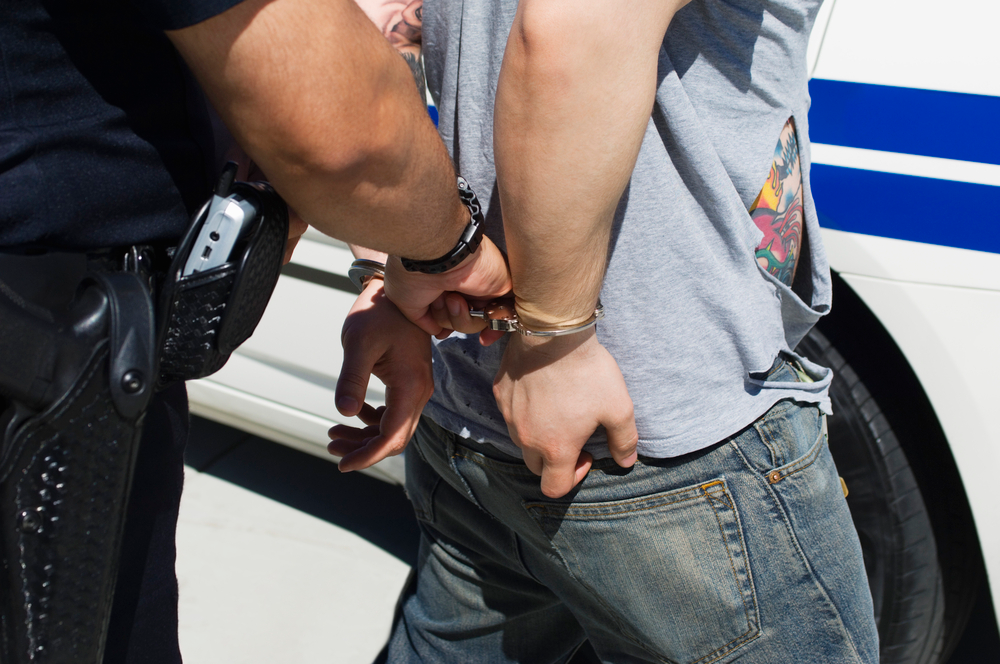
Ask a Lawyer: What Are Your Rights When Arrested in Indiana?
You have certain legal rights when dealing with law enforcement, even if you've been arrested for a suspected crime. An experienced criminal defense lawyer can help you understand and protect these rights as your case moves through the justice system. Talking to the Police You do not have to speak to law enforcement if you get arrested. You have the right to ask for an attorney. You also have the right to remain silent about your case. Police can use any information you give them in court. You don't have to answer questions about where you live, where you're coming from, or where you're going. You can also refuse to answer questions about your citizen status, where you were born, and how you entered the U.S. Politely tell the officer that you would like to exercise your right to remain silent. If you don't clearly state that you're invoking this right, they can keep asking you questions. Consenting to a Search If the officer asks to search your person or your vehicle, you have the right to refuse this search. However, law enforcement can legally pat you down if they suspect you have a weapon. Making a Phone Call You have the right to make a phone call after an arrest, including the right to speak to your attorney privately. Law enforcement can listen if you call anyone other than your lawyer. Indiana law also provides the right to reasonable access to the court system so your case will be heard promptly. Avoiding Discrimination You have the right to discrimination-free treatment while in police custody. Law enforcement cannot discriminate against you because of your political beliefs, economic status, sex, creed, skin color, nationality, or race. Hiring an Attorney You have the right to hire a lawyer when arrested. If you can't afford legal representation, the state will appoint a criminal defense attorney to handle your case. Having a Trial If the state decides to prosecute you after an arrest, you have the right to a public trial. This includes the right to having your case heard by a jury of your peers and the right to cross-examine witnesses in your case. In other words, the court must let your attorney ask them questions. Reporting a Rights Violation You can file a formal complaint if law enforcement violated your rights during an arrest. Reach out to the internal affairs division of the arresting borough. Your report should include all the relevant details, including the names and badge numbers of the officers. Take photos of any injuries you experience during your arrest. Law enforcement has to read your Miranda rights in an arrest, which includes the right to hire an attorney and to remain silent. You should also know how to exercise your other legal rights in criminal justice proceedings. Contact Tanzillo Stassin & Babcock P.C. in Dyer, IN today if you face charges after an arrest in Indiana.

TANZILLO
STASSIN & BABCOCK P.C.
Follow Us
1160 Joliet Street Suite 201
Dyer, IN 46311
Call 219-339-4174219-339-4170